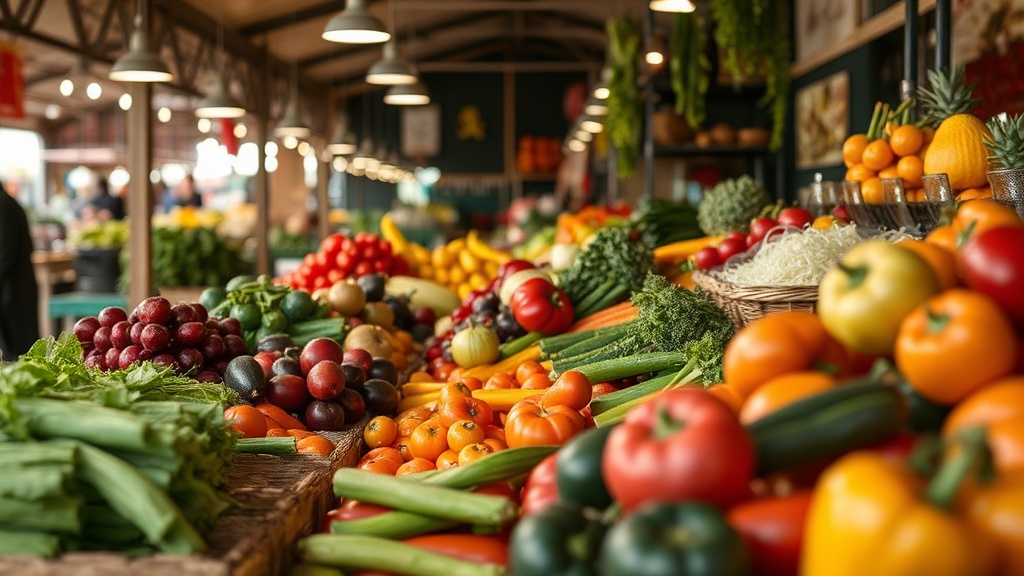
Finding the Best Seasonal Produce at the Mont-Saint-Hilaire Market

Many people assume that shopping at a local market in Mont-Saint-Hilaire means paying a premium price for a limited selection of basic vegetables. This is a mistake. If you know how to time your visits and which vendors to prioritize, you can actually access higher quality, more diverse produce than what you'll find in the aisles of a standard grocery store. This guide breaks down how to master the seasonal rhythms of our local markets to get the best value and the freshest ingredients available in the Montérégie region.
What is the best time to shop for seasonal produce?
The best time to shop is early in the morning on market days, specifically between 8:00 AM and 10:00 AM, to secure the most diverse selection before popular items sell out.
If you show up at noon on a Saturday, you'll likely find the "leftovers"—the bruised apples or the wilted greens. I've seen it happen dozens of times. The real gems, like the heirloom tomatoes or the crispest kale, disappear within the first two hours. It’s a competitive environment if you want the top-tier stuff.
You also need to track the seasons strictly. In Quebec, our growing season is short and intense. You shouldn't expect strawberries in October or hearty root vegetables in June. Understanding the MAPAQ (Ministère de l'Agriculture, des Pêcheries et de l'Alimentation) guidelines for seasonal availability will save you from disappointment. If you're looking for leafy greens, aim for the late spring; if you want the heavy hitters like pumpkins and squash, wait for the autumn harvest.
Here is a quick seasonal cheat sheet for our area:
- Late Spring (May-June): Asparagus, radishes, and early spring onions.
- Summer (July-August): Berries, stone fruits (peaches, plums), and summer squash.
- Fall (September-October): Apples, pumpkins, squash, and hearty greens.
- Winter: Mostly preserved goods, root vegetables, and artisanal pantry items.
How much does organic produce cost at local markets?
Prices for organic produce at Mont-Saint-Hilaire markets typically range from $3.00 to $7.00 per pound or per unit, depending on the specific item and current seasonal scarcity.
It's not always cheaper than the supermarket, but you're paying for a different value proposition. You aren't just buying a tomato; you're buying a tomato that was likely picked yesterday in a field just a few kilometers away. That freshness affects the flavor profile significantly. A store-bought tomato in the middle of winter often tastes like water and cardboard—it's a sad experience.
Worth noting is that "organic" in a local market often means something more transparent than the certified labels you see in big-box stores. Often, these farmers use traditional methods that aren't always part of the massive industrial organic certification process, yet the quality is often superior. I always check the signs or ask the farmer directly. If they can't tell you exactly where the seeds came from or how they grew the plant, move on.
To help you budget, look at this general price comparison for common items during peak season:
| Product | Typical Market Price (Local) | Typical Supermarket Price |
|---|---|---|
| Strawberries (1 lb) | $5.00 - $6.50 | $4.50 - $5.50 |
| Heirloom Tomatoes (lb) | $4.00 - $6.00 | $3.00 - $4.50 |
| Fresh Asparagus (Bunch) | $4.00 - $5.00 | $3.50 - $5.00 |
| Local Honey (Jar) | $10.00 - $15.00 | $7.00 - $9.00 |
While the supermarket might win on raw numbers, the shelf life of market produce is often longer because it hasn't been sitting in a shipping container for weeks. This means less waste in your kitchen—which saves you money in the long run.
How do I identify high-quality produce on sight?
High-quality produce is identified by vibrant color, weight, and lack of bruising, but you should also look for slight imperfections that signify real growth rather than industrial uniformity.
Don't look for the "perfect" looking vegetable. If every cucumber looks identical, it's likely been treated with heavy waxes or growth regulators. Real, local produce has character. A slightly irregular shape in a bell pepper or a bit of unevenness in a carrot is actually a good sign. It means it's a real plant, not a lab-grown clone.
When picking fruit, use the weight test. Pick up a peach or a melon. It should feel heavy for its size. If it feels light or hollow, it’s likely overripe or dehydrated. For leafy greens, look for a matte finish rather than a high-gloss shine—high gloss can sometimes indicate excessive moisture or even chemical treatments.
One thing I always do: check the stems. If you're buying berries or mushrooms, the stems should be firm and fresh, not slimy or brown. If the stems are mushy, the product is already on its way to the compost bin. It's a simple check, but it's the difference between a great meal and a wasted grocery trip.
Pro-Tips for the Mont-Saint-Hilaire Shopper
- Bring your own bags: Most vendors here are eco-conscious, but having your own canvas or reusable bags makes the process faster.
- Carry small bills: While many vendors take Visa or Mastercard, smaller local stands might be cash-only or have high minimums for card use.
- Talk to the farmers: This is the most underrated tip. Ask them, "What's best right now?" They'll tell you what's at its absolute peak.
- Check the soil: If you're buying root vegetables, a little bit of leftover dirt is a sign of freshness. It means it hasn't been overly processed or washed in a factory.
The local market isn't just a place to grab a bag of carrots. It's a way to connect with the Montérégie landscape. When you buy from someone who actually lives in the neighborhood, you're participating in a much more direct economic cycle. It's about more than just food; it's about the community's resilience.
The next time you're heading out, don't just wander aimlessly. Have a plan. Know what season we are in, know what you're looking for, and don't be afraid to ask questions. The quality you'll find here is worth the extra few cents per pound.
Steps
- 1
Check the seasonal calendar
- 2
Arrive early for the best selection
- 3
Ask producers about harvest dates
- 4
Bring reusable bags for your haul