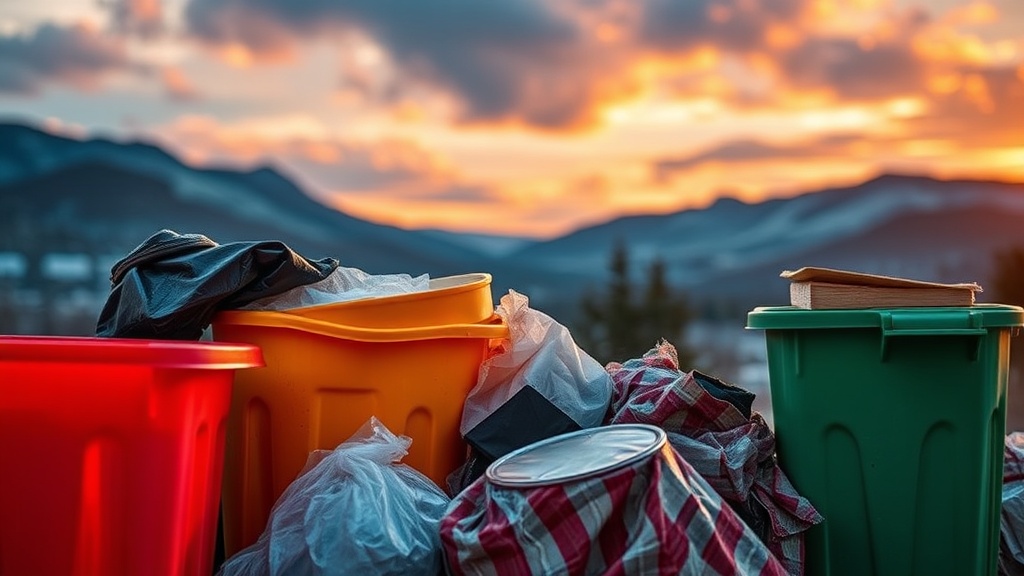
Organizing Your Household Waste and Recycling in Mont-Saint-Hilaire

It is Tuesday evening in Mont-Saint-Hilaire, and you're standing by your driveway, staring at a pile of empty milk cartons, a stack of cardboard boxes, and a half-full bag of organic scraps. You realize the collection truck is coming tomorrow morning, but you aren't quite certain which bin the yogurt container belongs in or if that pizza box is actually recyclable under our current local rules. Getting the waste management system right in Mont-Saint-Hilaire isn't just about avoiding a fine; it's about making sure our local environment stays clean and our municipal costs stay predictable.
Living in Mont-Saint-Hilaire means participating in a specific rhythm of collection-based living. Our community relies on a structured system to manage everything from the compostable peels from your kitchen to the bulky items left on the curb. If you get it wrong, you're not just wasting time; you're potentially complicating the work for our local sanitation teams. We've put together this guide to help you sort your items correctly the first time, ensuring that the materials we separate actually end up where they belong.
Where do I take large items that won't fit in my bins?
One of the most common headaches for residents in Mont-Saint-Hilaire is deciding what to do with a broken chair, an old piece of plywood, or a defunct appliance. You can't just leave these by the curb with your weekly trash; that's a quick way to get a notice from the city. For larger items, we have specific drop-off points and scheduled pick-ups that are much more efficient than leaving a mess on the side of the road near your property.
The most reliable way to handle oversized items is to use the local eco-centre or specialized collection services. If you find yourself with a large piece of furniture or electronics, you should check the official Ville de Mont-Saint-Hilaire website for the current schedule of bulky item pick-ups. Many neighbors find that a quick trip to the authorized drop-off point saves a lot of frustration later. Don't forget, certain items like old paint or certain chemicals require special handling to prevent contamination in our local soil and water systems.
Which materials belong in the blue bin vs. the green bin?
The distinction between recycling and compost can get a bit blurry, especially when you're in a hurry. In Mont-Saint-Hilaire, our green bin system is designed for organic matter—things that can break down naturally. This includes fruit scraps, vegetable peels, and even some types of paper-based packaging that is food-contaminated. However, the rules for the blue bin are much stricter regarding plastics and metals. If you put a plastic bag full of food scraps in the blue bin, you're essentially ruining the entire batch of recyclables for the whole neighborhood.
Here is a quick breakdown of how we should handle common household items in Mont-Saint-Hilaire:
- Green Bin (Compost): Fruit and vegetable scraps, coffee grounds, eggshells, and small amounts of yard trimmings.
- Blue Bin (Recycling): Clean cardboard, aluminum cans, glass bottles (without metal lids), and hard plastic containers (rinsed thoroughly).
- Black Bin (Garbage): Diapers, certain types of soft plastics, and anything that isn't compostable or recyclable through our local streams.
If you're ever unsure, it's better to put it in the garbage than to risk contaminating the recycling stream. A single greasy pizza box can sometimes disqualify a large bag of paper from being processed properly. We all want to keep our Mont-Saint-Hilaire neighborhood looking its best, and that starts with clean, sorted waste.
How do I handle hazardous household waste?
We've all been there: you're cleaning out the garage or the basement near the old railway tracks, and you find an old bottle of paint or a heavy-duty battery. These items are definitely not meant for the regular bins. In Mont-Saint-Hilaire, disposing of hazardous materials in the regular trash is a serious issue because it can affect the local environment and the workers handling the waste.
For items like batteries, light bulbs, or old paints, you'll need to look for specialized collection days or visit a designated depot. Many local hardware stores or specialized centers in the area have drop-off points for these specific items. Keeping these out of our regular trash stream is a small step that makes a massive difference for the long-term health of our local ecosystem. If you are looking for more detailed information on hazardous materials, the Quebec government environmental pages provide excellent context on why these regulations exist and how they protect our province.
Remember, a well-managed waste system is a sign of a strong, conscientious community. Whether you live near the center of town or in one of the more quiet residential streets, our collective effort to sort correctly ensures that Mont-Saint-Hilaire remains a beautiful place to live. It might take an extra ten seconds at the kitchen bin, but the impact on our local infrastructure and environment is worth the effort.