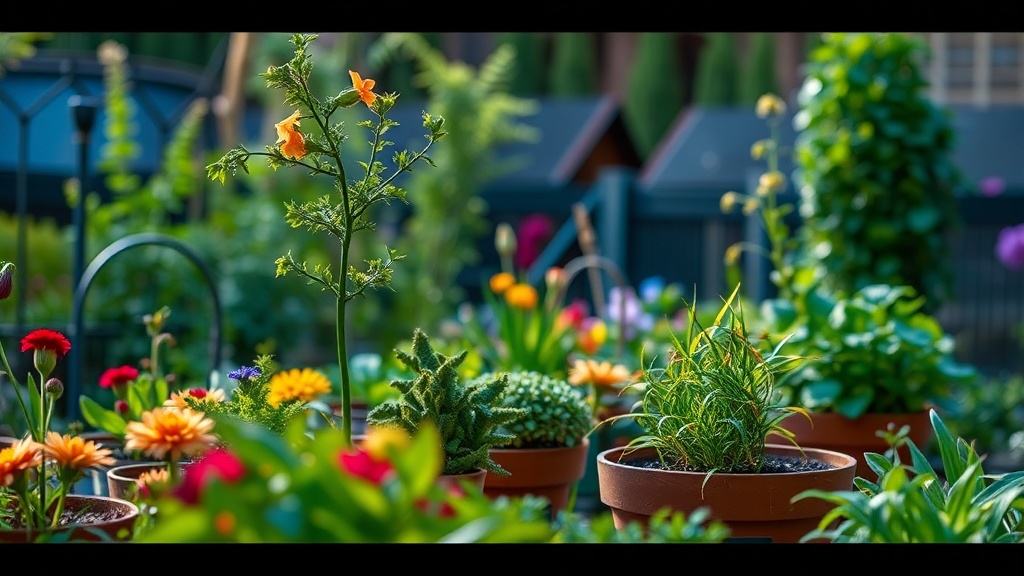
Setting Up Your Home Garden in Mont-Saint-Hilaire

Getting Your Backyard Ready for the Season
It’s that time of year when the frost finally retreats from the soil near the base of the mountain, and the conversation around the neighborhood shifts toward what we're planting this year. Whether you live in a cottage-style home near the center of Mont-Saint-Hilaire or have a larger lot closer to the outskirts, the local climate presents a specific set of challenges. The soil in our area can be heavy, and the microclimate created by the mountain affects how quickly your frost-sensitive plants will thrive. This guide covers how to prepare your local soil, select the right varieties for our specific Quebec zone, and manage your garden without spending every waking hour weeding.
Starting a garden in Mont-Saint-Hilaire isn't just about tossing seeds into the ground. We have a very specific growing season here. We need to account for the humidity that rolls off the mountain and the occasional late spring frost that catches us off guard. Before you head to the local nursery, you need to understand what your backyard is actually capable of providing. We've seen many neighbors struggle because they tried to grow heat-loving plants too early in our local cycle.
What is the best time to plant in Mont-Saint-Hilaire?
The biggest mistake we see is rushing to plant tomatoes or peppers as soon as the first warm weekend hits in May. In Mont-Saint-Hilaire, the "safe" date is usually a bit later than what you'll see in online guides for general Quebec regions. Our local microclimate can be temperamental. If you are living near the mountain, the temperature can actually stay a few degrees cooler during the night. It is wise to wait until at least the end of May or even early June for your more sensitive vegetables. If you want to get a head start, focus on cool-weather crops like radishes, lettuce, or kale, which actually enjoy our spring chill.
If you're looking for reliable weather data to track when it's safe to plant, I always suggest checking the Environment Canada weather reports for our specific region. Knowing the history of frost dates in the Montérégie area will save you from losing a whole crop of seedlings to one unexpected cold snap.
How do I prepare my soil for a productive garden?
Most of the backyard soil in Mont-Saint-Hilaire contains a fair amount of clay, which can be tough to work with if you haven't prepared it. If you try to plant directly into hard, unamended soil, your roots will struggle to penetrate. We recommend a few steps to get your ground ready:
- Test your drainage: Dig a small hole and fill it with water. If it takes hours to drain, you have a drainage issue that needs more organic matter.
- Add compost: Instead of just buying synthetic fertilizers, go for high-quality compost. This helps break up the clay in our local soil and provides long-term nutrients.
- Mulching: Once your plants are in, use straw or wood chips. This helps keep the moisture in, which is vital during our increasingly dry July stretches.
For those who want to be very precise, you can even send a sample to a local agricultural lab to see exactly what minerals your soil is lacking. It's a small investment that pays off when your vegetables actually start growing.
Which vegetables grow best in our local climate?
While you can grow almost anything with enough effort, some plants just feel more at home in Mont-Saint-Hilaire. Because our summers can be quite humid, plants that struggle with moisture—like certain types of squash—need extra attention to prevent mildew. We have found that leafy greens, root vegetables like carrots and beets, and hardy herbs do exceptionally well in our local gardens. If you're looking for something more substantial, corn and beans are reliable staples for many of our community members' backyards.
When choosing your seeds, look for varieties that are labeled for shorter growing seasons. This ensures they reach maturity before the first frost hits us in the fall. You can find many of these varieties at local nurseries or even through specialized suppliers like Esco if you are looking for specific professional-grade seeds.
How can I protect my garden from local wildlife?
One thing every gardener in Mont-Saint-Hilaire knows is that once you start growing something delicious, the local wildlife will notice. Between the deer that roam near the mountain and the rabbits that frequent our residential streets, your hard work is always at risk. We've all been there—waking up to find a prize cabbage partially eaten. To protect your work, you need a proactive approach:
- Physical Barriers: A simple wire mesh fence is often enough to keep small rodents out of your vegetable beds.
- Deer Deterrents: If you live near the edge of the wooded areas, consider a taller fence or motion-activated sprinklers.
- Companion Planting: Planting certain flowers or strong-smelling herbs can sometimes trick the pests into looking elsewhere.
It is part of living in such a beautiful, green area like Mont-Saint-Hilaire. We share our space with these animals, so a little bit of extra planning goes a long way in ensuring your harvest survives the season.
A Note on Local Resources
If you find yourself stuck, don't hesitate to reach out to neighbors. Many of us in the Mont-Saint-Hilaire gardening community are happy to share tips or even a few extra seedlings. There is a great sense of community here when it comes to local food and gardening. Whether you're gardening on a small balcony or a large backyard, the goal is the same: enjoying the fruits (and vegetables) of your labor in our wonderful corner of Quebec.