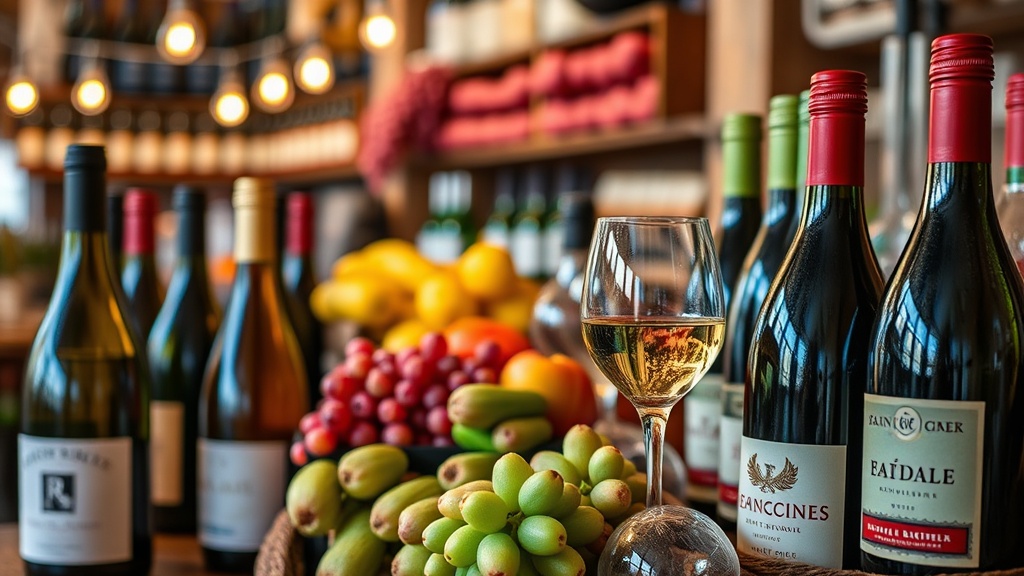
Selecting the Best Local Wine and Cider at Mont-Saint-Hilaire Markets

This guide explains how to identify, select, and purchase high-quality local wines and ciders at the markets and farm stands around Mont-Saint-Hilaire. You'll learn how to read labels for regional authenticity, what to look for in seasonal cider profiles, and how to pair these drinks with local Quebec flavors. It matters because the quality of local fermentation varies wildly between producers, and knowing the difference between a mass-produced cider and a craft artisanal one will save you money and a lot of mediocre evenings.
How Do I Identify Authentic Quebec Wine and Cider?
Authentic Quebec wine and cider are identified by specific regional designations and strict production standards that ensure the fruit actually comes from our climate. When you're walking through the local markets, don't just look for the word "Quebec." Look for the Appellation d'Origine Contrôlée (AOC) or specific mentions of local fruit varieties like McIntosh or Cortland apples for cider.
The most reliable way to spot high-end local products is to check the label for the producer's specific farm name. In our region, many producers use the fruit grown right on their property. This is a big deal. If a label mentions a specific orchard in the Montérégie region, you're likely getting something much more specialized than a generic supermarket brand.
For those curious about the strict rules governing our local alcohol production, the SAQ website provides detailed information on how products are classified and sold in the province. It's a good way to understand why some local wines are more readily available in certain shops than others.
Look for these three indicators of quality:
- The Fruit Origin: Does it specify the apple variety? (e.g., Northern Spy or Gala).
- The Fermentation Method: Is it traditional method (méthode traditionnelle) or just carbonated?
- The Producer's Location: Is the farm nameed and located within the Montérégie or nearby regions?
What Makes a Good Local Cider Different?
A good local cider focuses on the balance between acidity and sweetness rather than just being "sugar water." Many commercial ciders are highly processed, but the artisanal stuff you find at the Mont-Saint-Hilaire markets often has a complex, slightly funky profile that reflects the soil and the harvest.
The catch is that "sweet" doesn't always mean "good." If you're used to the sweet, fizzy ciders from the grocery store, a traditional dry cider might shock your system. It's a bit more tart—think of it like a dry white wine rather than a soda. This is where the real craftsmanship shows up.
If you want to understand the science behind why some ciders taste more "crisp" than others, Wikipedia's entry on cider production explains the role of malic acid and fermentation cycles. Knowing this helps you realize that the "bite" you feel in a high-quality local cider is actually a sign of quality, not a mistake.
I've put together a quick comparison to help you decide what to grab at the next market-day:
| Cider Type | Flavor Profile | Best Paired With |
|---|---|---|
| Dry/Traditional | Tart, acidic, minimal sugar | Hard cheeses or salty charcuterie |
| Semi-Sweet | Balanced, fruity, approachable | Roasted poultry or mild goat cheese |
| Sweet/Fruit-Infused | High sugar, heavy aroma | Desserts or spicy appetizers |
How Much Should I Expect to Pay for Local Wine and Cider?
Prices for local craft products generally range from $12 to $25 per bottle, depending on the complexity and the producer's scale. You'll find that "premium" labels or small-batch cider makers often charge a bit more because their yield is much lower than industrial-scale producers.
Don't be surprised if a bottle of high-end sparkling cider costs more than a decent bottle of table wine. You aren't just paying for the alcohol; you're paying for the labor-intensive process of hand-picking fruit and small-batch fermentation. It's an investment in the local agricultural community here in Mont-Saint-Hilaire.
When shopping, I suggest keeping a tiered budget in mind:
- The "Everyday" Tier ($12–$15): Great for a casual lunch or a simple picnic. These are usually lighter and more fruit-forward.
- The "Special Occasion" Tier ($18–$25): These often have more structure and can be aged slightly. This is where you find the serious fermented apple juices or local grape wines.
- The "Collector" Tier ($30+): Rare, but you might find these at specialized local shops or farm-direct sales. These are the ones that really show off the terroir of the Montérégie.
If you're looking to pair your drinks with a great meal, you might already be interested in finding the best seasonal produce. A good cider or wine is only as good as the food it's served with, after all.
How to Pair Local Drinks with Seasonal Food
Pairing is all about contrast and complement. If you've picked up a very dry, acidic cider, you want something fatty or salty to balance it out. A creamy Brie or a sharp cheddar works wonders here. If you've gone with a sweeter, fruit-based wine, look for something with a bit of spice or heat to keep the palate interested.
I've noticed that many people make the mistake of pairing a sweet drink with a sweet food, which can actually make the drink taste even sweeter and a bit cloying. Instead, try a bit of "sweet and salty." A salty piece of local ham with a slightly sweet cider is a classic for a reason—it works every time.
One thing to remember—and this is a big one—is to consider the temperature. A local cider should be served quite cold to maintain that crispness. If it gets warm, the sugar and acid can feel a bit heavy. The same goes for our local white wines; don't let them sit out in the sun during your picnic!
When you're out at the markets, don't be afraid to ask the producer questions. Most of the people selling these products are incredibly proud of what they do. Ask them, "What's your most popular fruit variety?" or "Is this a dry or sweet batch?" They'll usually be happy to give you a tip or two that you won't find on a generic label.
If you're planning a full outing that includes a hike or a walk through the nearby trails, you might want to check out my guide on navigating the Gault Nature Reserve to find a great spot to enjoy your finds.
The quality of what we drink is a direct reflection of our local seasons. A heavy, fermented cider feels right in the autumn, while a light, sparkling fruit wine feels much more natural during a July afternoon. Pay attention to the weather and the harvest cycles, and you'll never pick a bad bottle.
Steps
- 1
Check the Harvest Date
- 2
Look for Regional Certifications
- 3
Ask the Producer About Flavor Profiles
- 4
Match the Pairing to Your Meal